
Public sanitation is not only about providing a toilet. It is about keeping facilities functional, hygienic, accessible and ready for use throughout the day. For municipalities and facility operators, managing multiple public toilets can be challenging when cleaning schedules, equipment checks and maintenance reports rely mainly on manual inspections.
LOOP brings the Internet of Things (IoT) into public sanitation through connected sensors, automated toilet functions and a centralised monitoring platform. These technologies are designed to give operators better visibility into facility status, detect selected operating conditions and support more timely maintenance decisions.
From self-cleaning systems and touchless fixtures to occupancy detection, utility monitoring and remote alerts, LOOP’s smart sanitation platform helps transform public toilets into connected infrastructure that can be monitored and managed across locations.
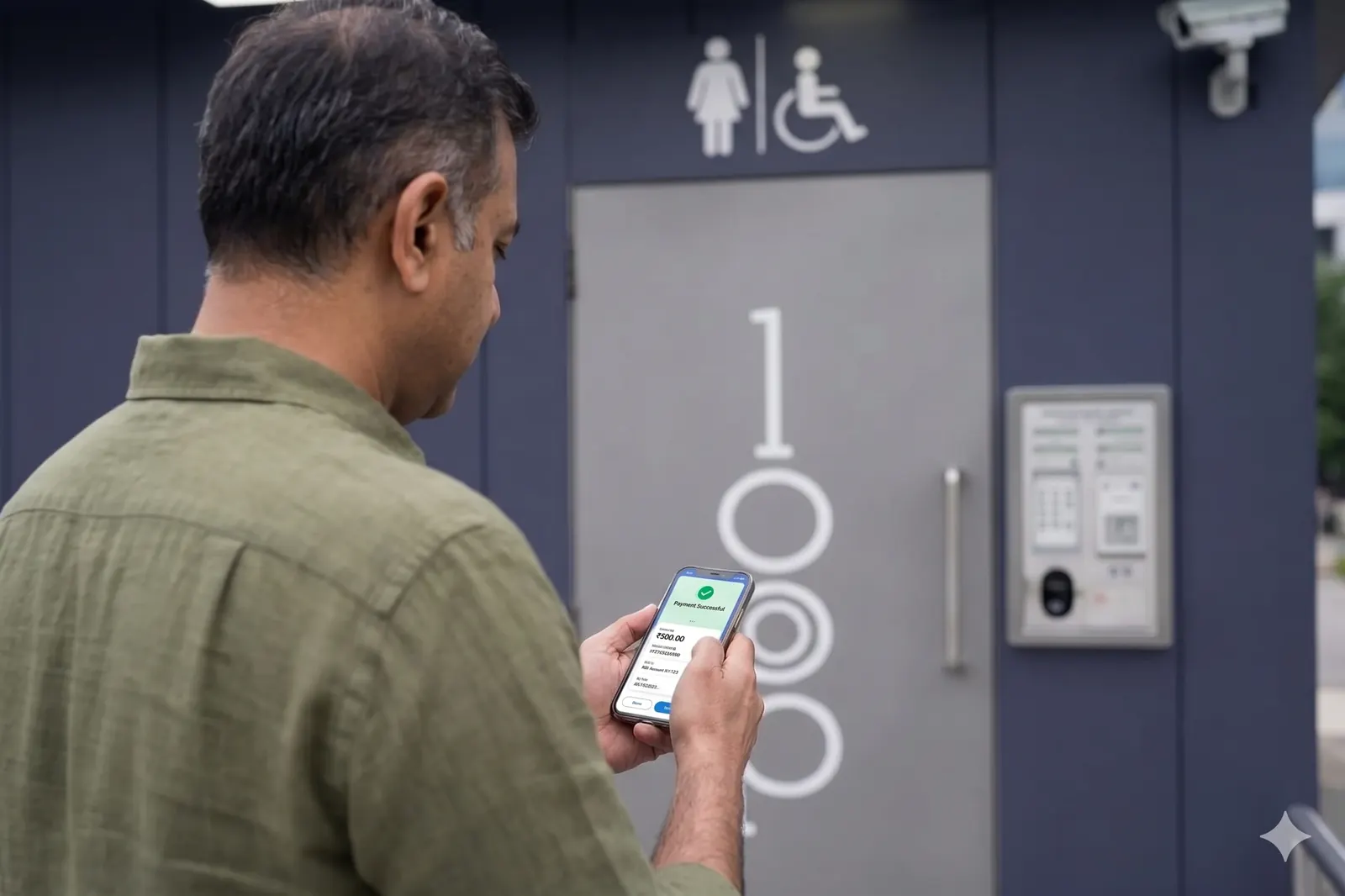
What Are IoT-Based Sanitation Solutions?
IoT-based sanitation solutions use connected devices, sensors, controllers and software to collect and communicate information about sanitation facilities. Instead of relying only on periodic site visits, operators can receive information about selected equipment conditions and operational events through a centralised dashboard.
In a public toilet, this can include occupancy or footfall information, door status, cleaning-cycle status, water flow, energy use, consumable levels, leakage or flooding alerts and equipment health. The exact data available depends on the sensors and configuration installed at each site.
The purpose is practical: help teams understand what is happening at a facility, identify issues sooner and plan cleaning or maintenance with better operational information.
How LOOP’s IoT-Based Sanitation System Works
1. Sensors collect operational information
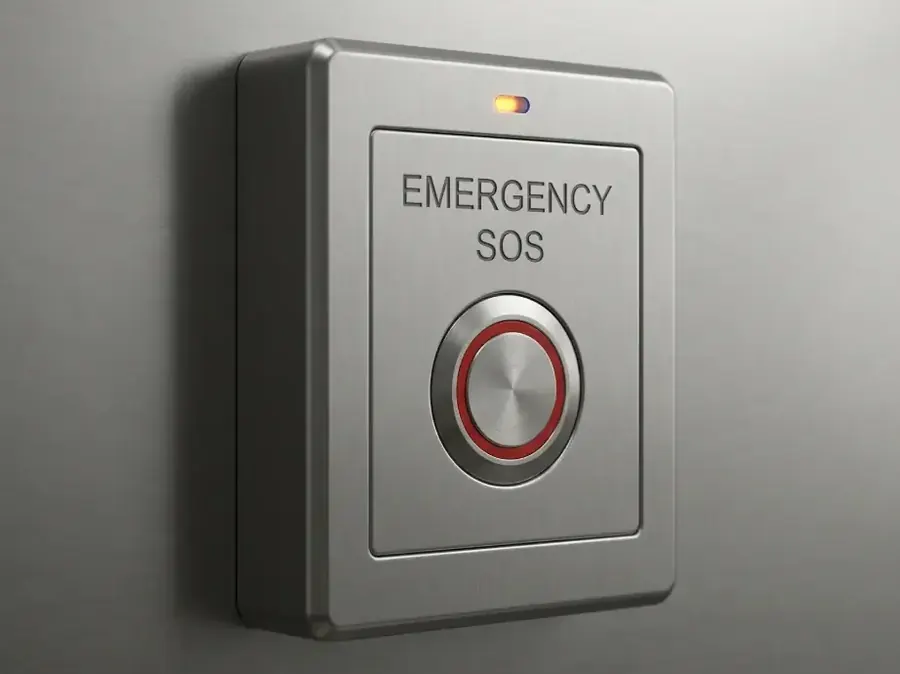
Connected sensors are integrated into selected parts of the sanitation unit. Depending on the installation, they can detect user presence, occupancy, door status, water flow, energy usage, consumable levels and abnormal conditions such as leakage, flooding or smoke.
2. Controllers coordinate smart toilet functions
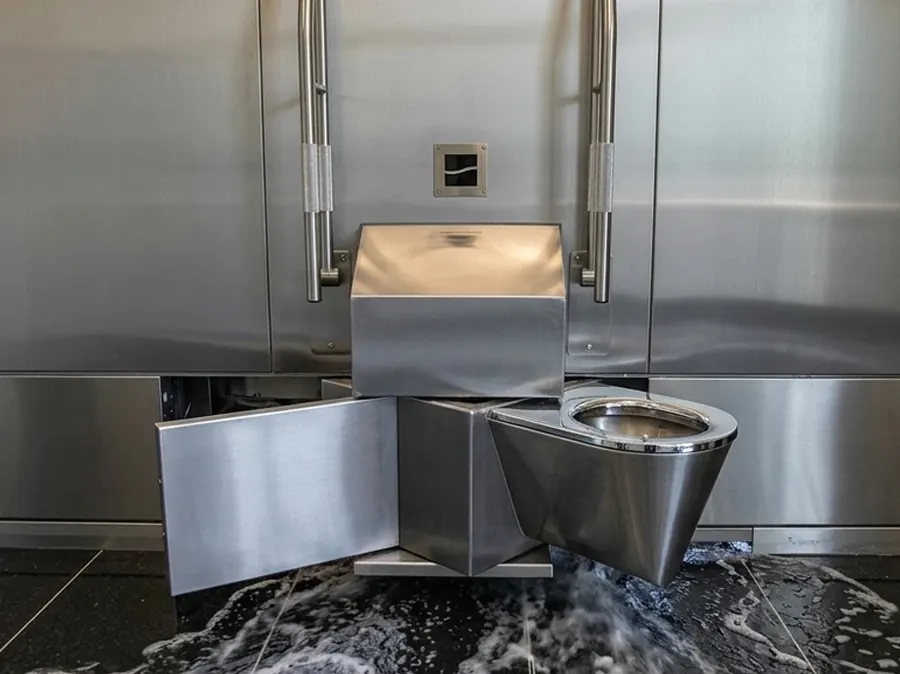
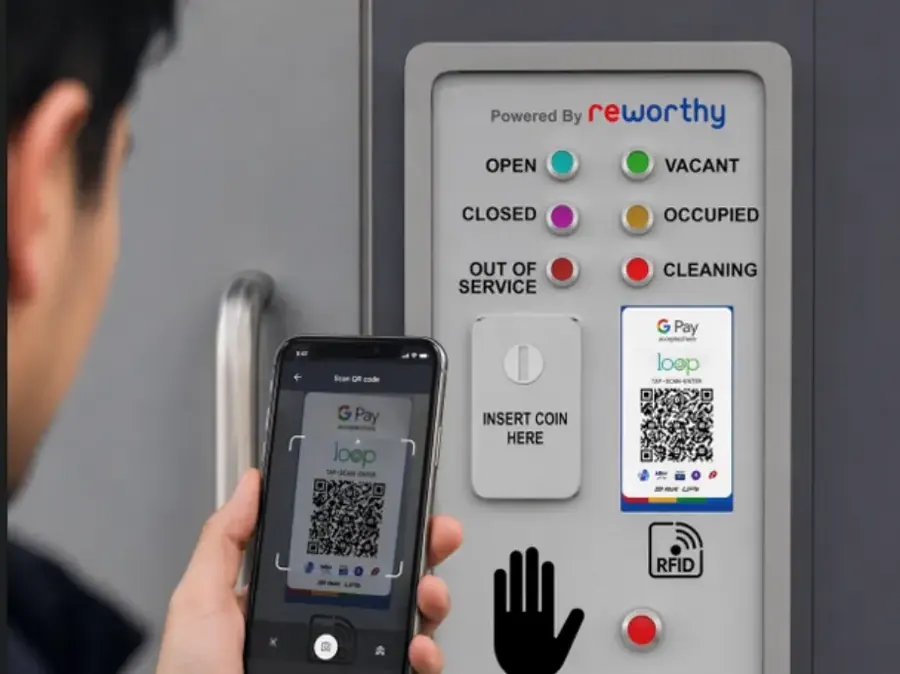
Sensor inputs can be used to trigger or coordinate selected functions, including touchless access, flushing, handwashing fixtures and automated cleaning sequences. On applicable LOOP configurations, sensors confirm that the user area is clear before an automated cleaning cycle begins.
3. Information is transmitted to a central platform
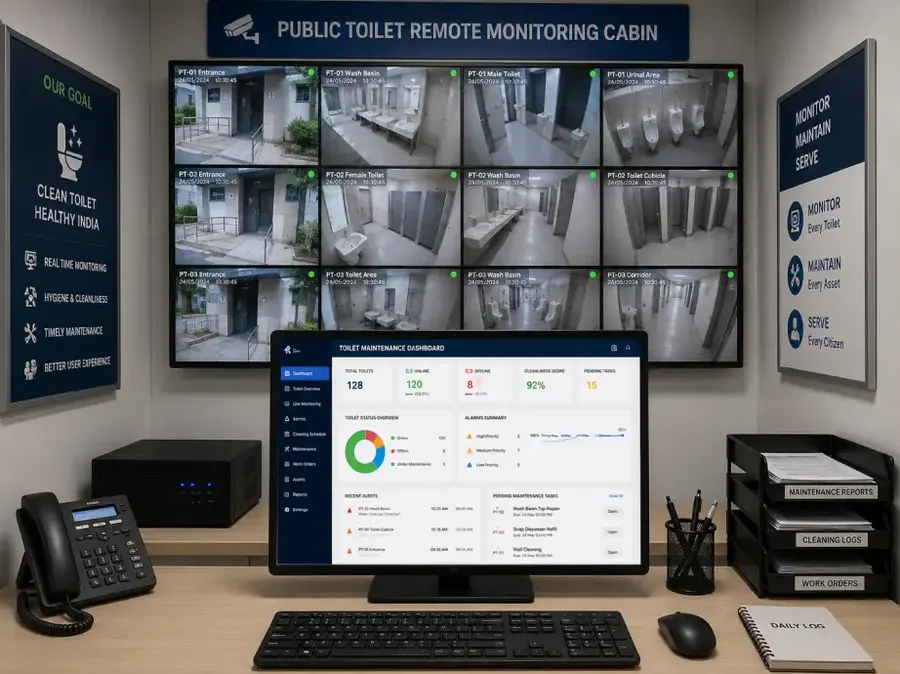
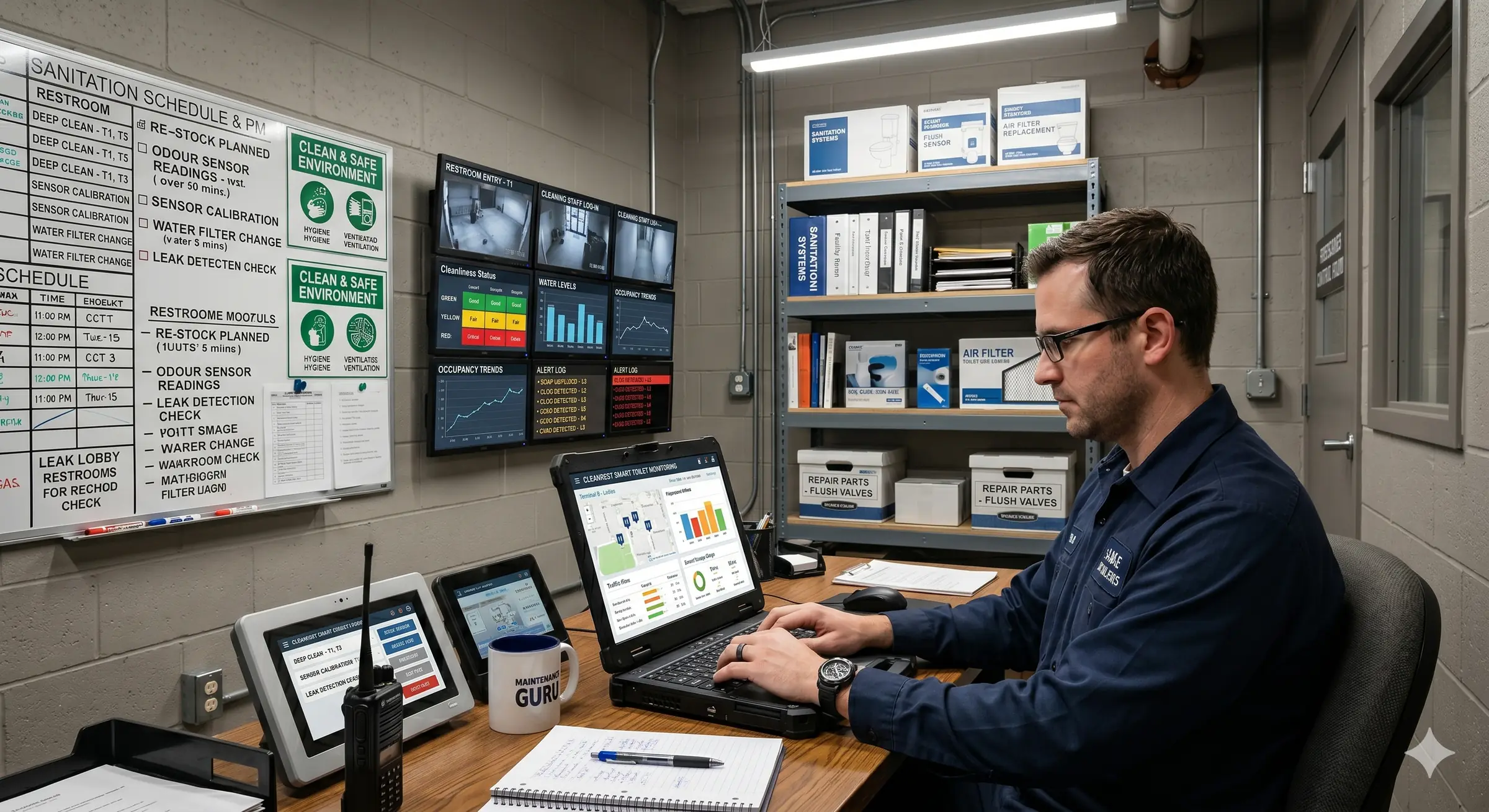
LOOP’s technology platform connects unit-level systems to centralised monitoring. Operational information can be made available to authorised operators so they can review the status of individual facilities and monitor multiple installations from a common interface.
4. Alerts help teams respond to issues
When configured sensors identify a fault or abnormal condition, the system can generate alerts or maintenance flags. This can help teams prioritise inspections, investigate issues and reduce dependence on complaints as the only signal that a facility needs attention.
5. Data supports maintenance planning
Historical status and event information can help operators identify recurring issues and plan service activity. Predictive maintenance depends on the quality and quantity of collected data, appropriate thresholds and a defined maintenance workflow; it should not be treated as a guarantee that failures will never occur.
Key Features of LOOP’s Smart Sanitation Technology
Benefits of IoT-Based Sanitation Solutions
Greater operational visibility
Remote status information helps operators move beyond isolated site checks and gain a more consolidated view of connected facilities.
Faster awareness of selected faults
Automated alerts can help teams become aware of certain issues sooner, allowing them to investigate and respond before a minor fault develops into a prolonged service interruption.
More informed cleaning and maintenance planning
Footfall, occupancy and equipment data can support decisions about servicing frequency, maintenance scheduling and resource allocation. Operators should combine digital information with on-site inspections and service records.
Consistent user experience
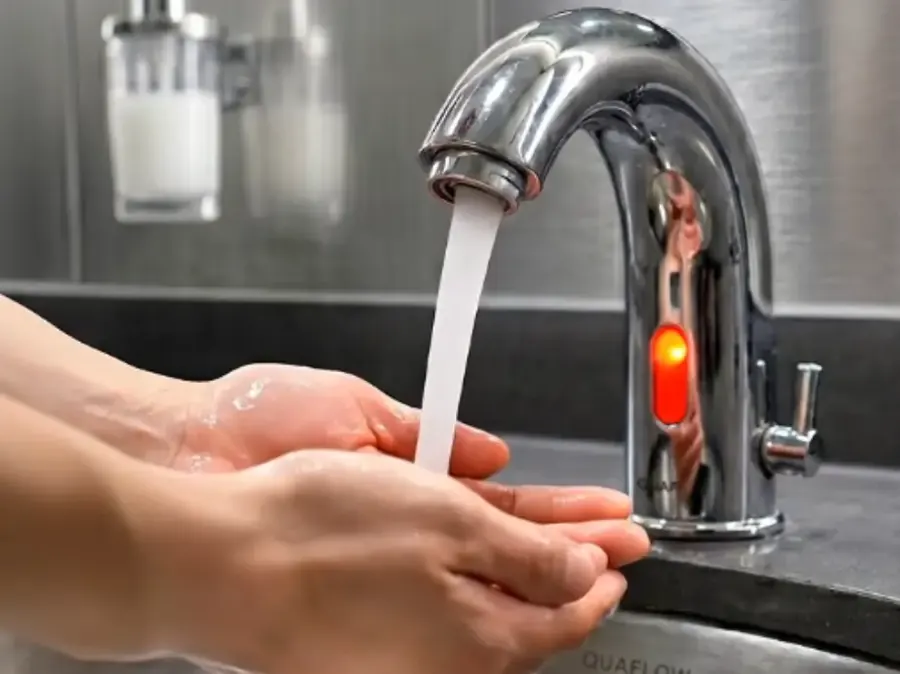
Touchless controls and automated functions can make common interactions more convenient and reduce the need to touch shared fixtures. Good signage, accessibility and safe design remain important.
Scalable management across multiple locations
A connected platform can support central oversight of sanitation infrastructure deployed across transport hubs, public spaces, campuses and other locations. The scale and usefulness of monitoring depend on network connectivity, sensor coverage and operating processes.
Where Can IoT-Enabled Sanitation Be Used?
- Metro and railway stations – monitor facilities serving high passenger volumes.
- Bus terminals and transport hubs – support visibility across public convenience facilities.
- Highways and rest stops – help operators oversee sanitation sites spread across travel corridors.
- City parks and public spaces – support maintenance planning for community facilities.
- Malls, markets and business parks – integrate smart sanitation into managed commercial environments.
- Educational and institutional campuses – help facility teams monitor multiple buildings or zones.
- Events and temporary deployments – use suitable mobile units and monitoring configurations where connectivity and operating conditions allow.
LOOP Models and Deployment Formats
LOOP’s technology can be integrated with different toilet models and deployment formats. The selected configuration determines which automated and monitoring features are available.
- LOOP ZX – self-cleaning dual-commode system positioned for high-footfall public spaces, metro stations and commercial hubs.
- LOOP VX – fixed self-cleaning seat configuration for locations such as shopping malls, business parks and transit hubs.
- LOOP LX – standard fixed-seat model positioned for budget-conscious public installations and rural sanitation projects; it includes IoT-enabled maintenance alerts.
- LOOP EX – eastern squat-style toilet format incorporating smart sensor technology and touchless functions.
- Standalone fixed units – modular installations for urban spaces, parks, transit hubs and institutions, with grid, solar or hybrid utility integration options.
- Mobile units on platforms and EV-mounted mobile units – formats for events, temporary demand, dense urban areas, campuses or emergency sanitation needs.
Confirm the sensor package, connectivity, dashboard functions and automated features available for the exact model and project before procurement.
IoT Monitoring Does Not Replace Facility Management
Connected sanitation technology is most effective when it supports a clear operating model. IoT alerts do not remove the need for staff to inspect facilities, replenish consumables, handle waste, perform deep cleaning, repair equipment and verify reported faults.
Before deployment, project teams should define who receives alerts, how quickly they must respond, what constitutes an escalation, how data is retained and reviewed, and how service performance is measured. Network availability, power backup, sensor calibration and cybersecurity practices should also be considered.
Why Choose LOOP for Smart Sanitation Infrastructure?
LOOP describes its approach as a technology-driven public sanitation infrastructure platform that combines engineered hardware, embedded sensors, automation and centralised monitoring. The objective is to make sanitation operations more visible, predictable and scalable.
- Integrated technology stack – smart hardware, embedded sensors and monitoring software.
- Automation-led hygiene – connected sensing supports selected self-cleaning and touchless functions.
- Operational alerts – configured sensors can flag faults and abnormal conditions.
- Flexible deployment – fixed and mobile formats support different site requirements.
- Data-informed operations – monitoring information can support maintenance planning and service oversight.
For municipalities, infrastructure developers and facility operators, LOOP offers a connected approach to managing public sanitation assets. A project discussion can establish the right unit type, sensor coverage, connectivity and operating requirements.
Plan an IoT-Based Sanitation Project with LOOP
Whether you are upgrading existing public toilets or planning new sanitation infrastructure, the first step is to understand the site and its operating needs. Share the proposed locations, expected footfall, available utilities, connectivity conditions and monitoring requirements with the LOOP team.
Contact LOOP to explore IoT-based sanitation solutions for your city, campus or facility.
Frequently Asked Questions
- What are IoT-based sanitation solutions?
- IoT-based sanitation solutions use connected sensors, controllers and software to collect and communicate information about public toilet facilities. They can help operators monitor selected conditions such as occupancy, equipment status, water flow, energy use and maintenance alerts through a central platform.
- How does IoT help manage public toilets?
- IoT can give facility teams remote visibility into connected units, provide alerts for selected faults and share usage or utility information. This can support maintenance planning and help teams prioritise site visits, while staff remain responsible for inspections, cleaning and repairs.
- What can LOOP’s smart sanitation sensors monitor?
- Depending on the installed configuration, LOOP describes sensors for footfall and occupancy, door status and misuse alerts, water flow, energy usage, consumable levels, flooding or leakage, smoke or abnormal conditions and equipment health.
- Can LOOP public toilets be monitored remotely?
- Yes. LOOP describes a centralised monitoring platform that provides unit status, automated alerts, fault detection, remote diagnostics and configuration options. Available functions depend on the unit, sensor package and connectivity.
- Do IoT-enabled public toilets still require cleaning and maintenance staff?
- Yes. IoT monitoring and automation support facility operations but do not replace people. Staff are still needed for inspections, waste handling, replenishment, deep cleaning, repairs and responding to alerts.