
Public toilets are essential to every city, transport network and high-footfall destination. But keeping them consistently clean can be difficult when facilities depend only on manual cleaning schedules and periodic inspections. LOOP brings automation, connected monitoring and purpose-built sanitation hardware together to help make public toilet operations more predictable.
LOOP’s self-cleaning public toilet systems are designed to automate key cleaning tasks between uses. Depending on the selected model and configuration, the system can clean and sanitise toilet surfaces, support touchless operation and share equipment-status information with a central monitoring platform. The result is a modern public sanitation solution designed around user hygiene, operational visibility and dependable facility management.
From metro stations and bus terminals to parks, highways and commercial spaces, LOOP offers fixed and mobile deployment formats to help organisations plan sanitation infrastructure around the needs of each location.
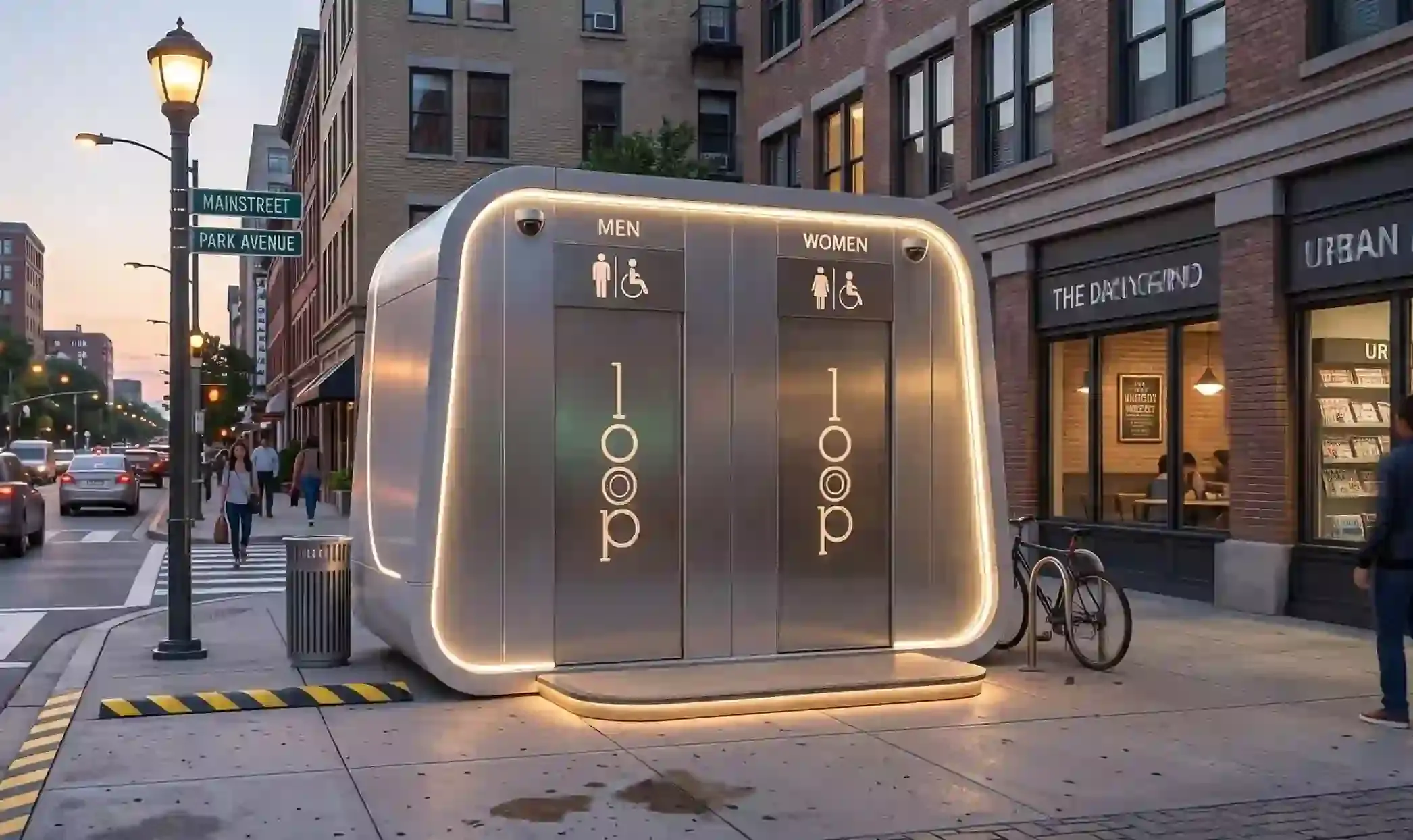
What Are Self-Cleaning Public Toilets?
Self-cleaning public toilets use automated mechanisms, sensors and control systems to carry out selected cleaning and hygiene functions with less reliance on manual intervention between users. Depending on the technology, these functions may include automatic flushing, cleaning of the seat or bowl, floor washing, disinfection routines and drying.
A self-cleaning system does not mean a facility never needs people. Waste handling, replenishment, inspections, periodic deep cleaning and repairs remain important. Automation helps standardise repeatable tasks and gives operators better information about when a unit may need attention.
LOOP applies this approach through a connected sanitation platform that combines self-cleaning hardware, touchless features and remote operational monitoring.
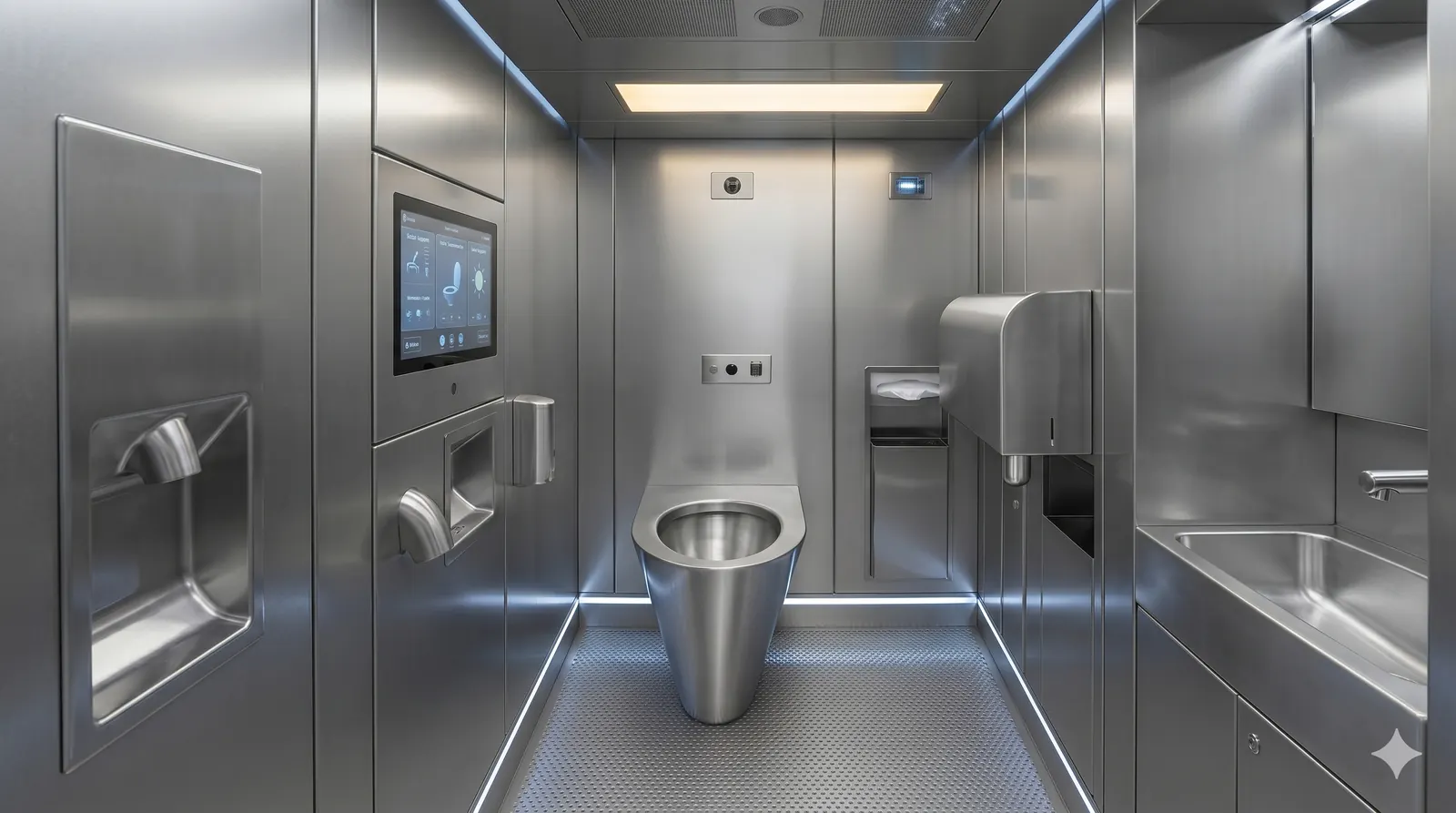
How LOOP’s Self-Cleaning Toilet Technology Works
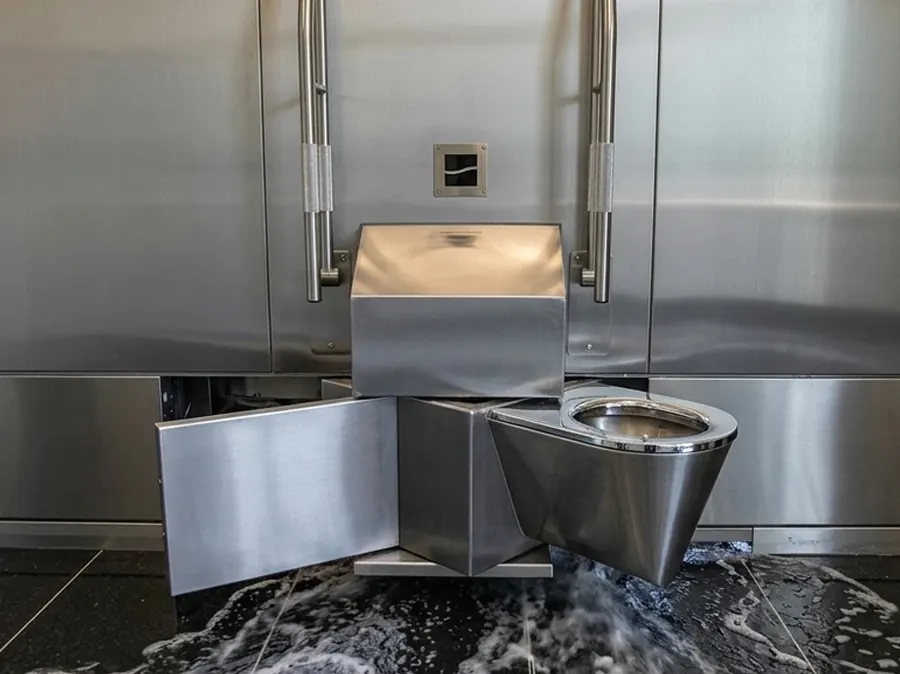
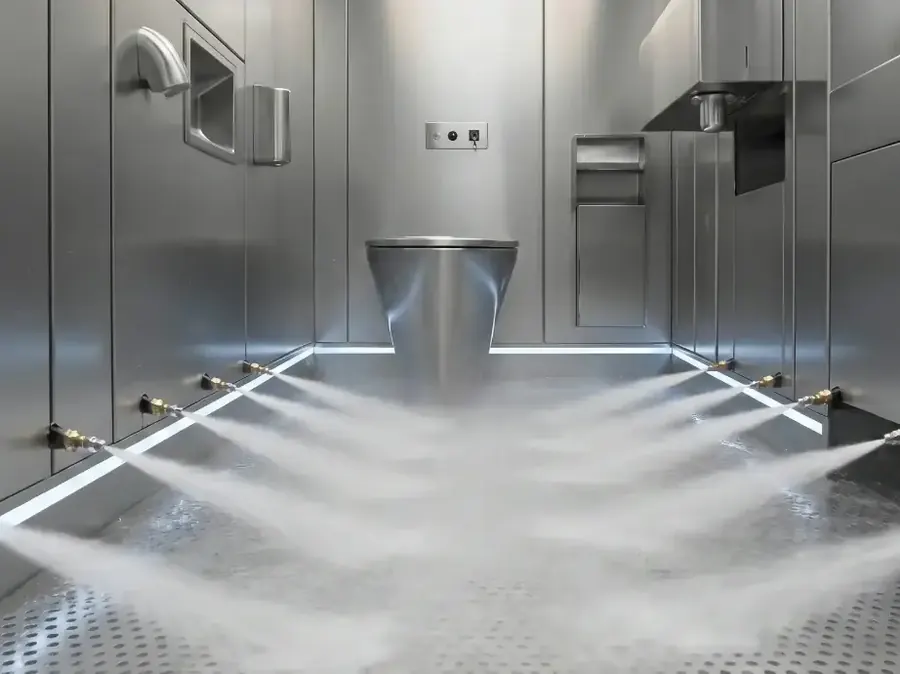
Key Benefits of Self-Cleaning Public Toilets
More consistent hygiene between service visits
Automated cleaning routines help make selected hygiene tasks repeatable rather than relying entirely on manual timing. This can support a cleaner user experience in busy public locations when paired with a suitable cleaning, inspection and maintenance programme.
Reduced dependence on repetitive manual tasks
Automation can take over selected recurring activities, allowing facility teams to focus on inspections, replenishment, waste management, repairs and deeper cleaning. It should be viewed as an operational aid—not a replacement for responsible facility management.
Better visibility for facility operators
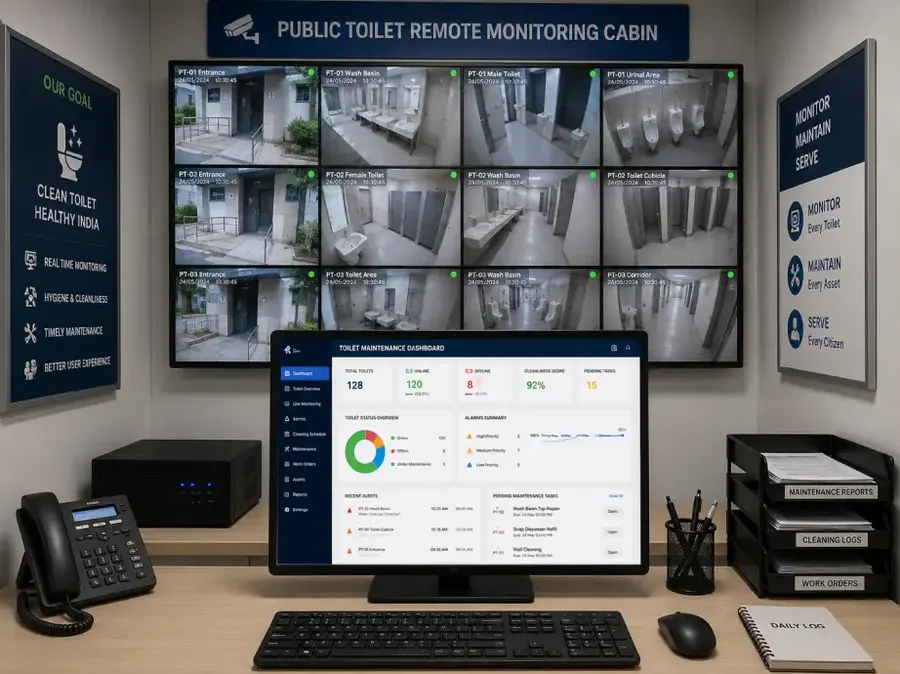
Connected alerts and status information can help operators understand which units are active, which require attention and where maintenance may be needed. This is especially useful when managing facilities spread across a city, campus or transport network.
Designed for high-footfall public environments
Public toilets in transit hubs, markets, parks and highways experience changing usage levels. Automated functions and remote monitoring can help standardise operations across sites with different footfall patterns.
A modern, touchless user experience
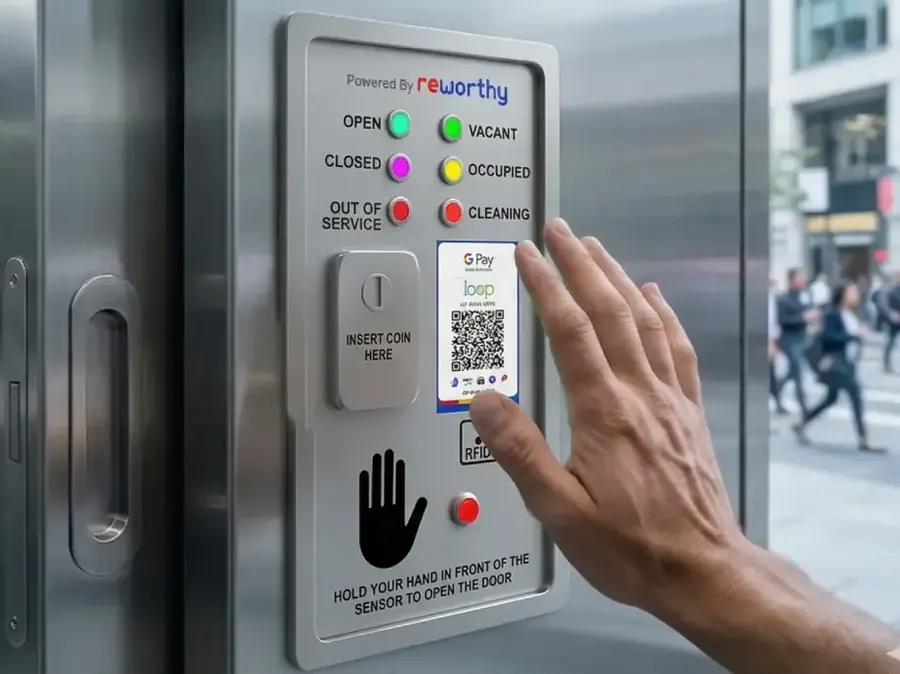
Sensor-based functions can make common interactions more convenient while reducing contact with shared fixtures. Accessibility, privacy, clear instructions and safe physical design should remain central to every public toilet installation.
Where Can Self-Cleaning Public Toilets Be Installed?
LOOP’s fixed and mobile formats are intended for a range of public and commercial environments. Site selection should consider footfall, utilities, accessibility, servicing access, local regulations and the operating model.
- Metro and railway stations – support sanitation in busy passenger areas.
- Bus terminals and transport hubs – provide public facilities for commuters and staff.
- Highways and rest stops – extend access to sanitation along travel routes.
- City parks and public spaces – help improve the availability and upkeep of community facilities.
- Markets and commercial districts – serve visitors, workers and shoppers.
- Malls, business parks and institutional campuses – complement existing facility infrastructure.
- Events and temporary high-footfall locations – use suitable mobile or relocatable formats where appropriate.
LOOP Models and Deployment Options
The right configuration depends on the location, expected usage, available utilities and required features. LOOP’s published technology information describes the following model and deployment options:
- LOOP ZX – a self-cleaning dual-commode system positioned for high-footfall public spaces, metro stations and commercial hubs.
- LOOP VX – a fixed self-cleaning seat configuration suited to locations such as shopping malls, business parks and transit hubs.
- LOOP LX – a standard fixed-seat model positioned for budget-conscious public installations.
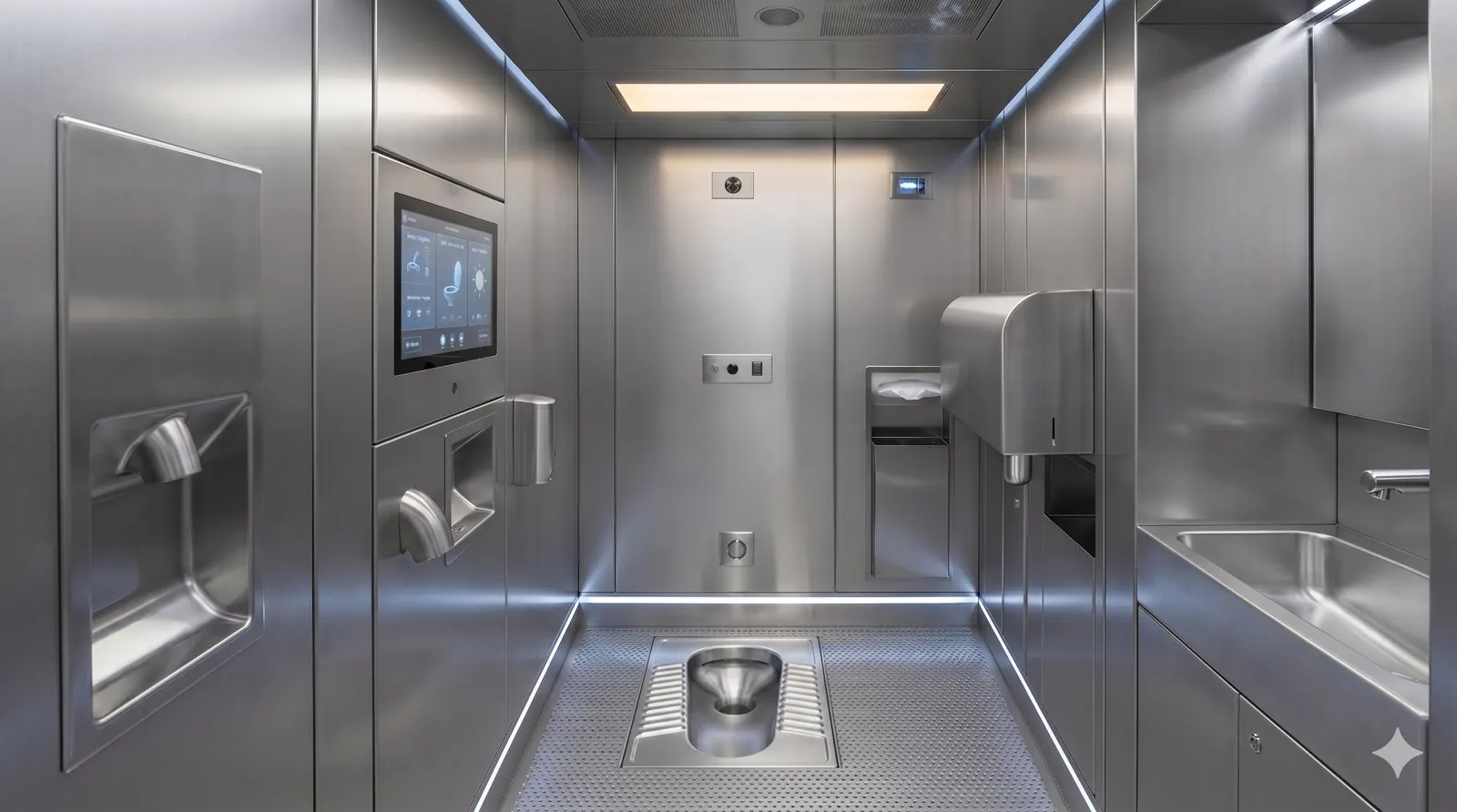
- LOOP EX – an eastern squat-style toilet format that applies smart-toilet features to a traditional Indian-style configuration.
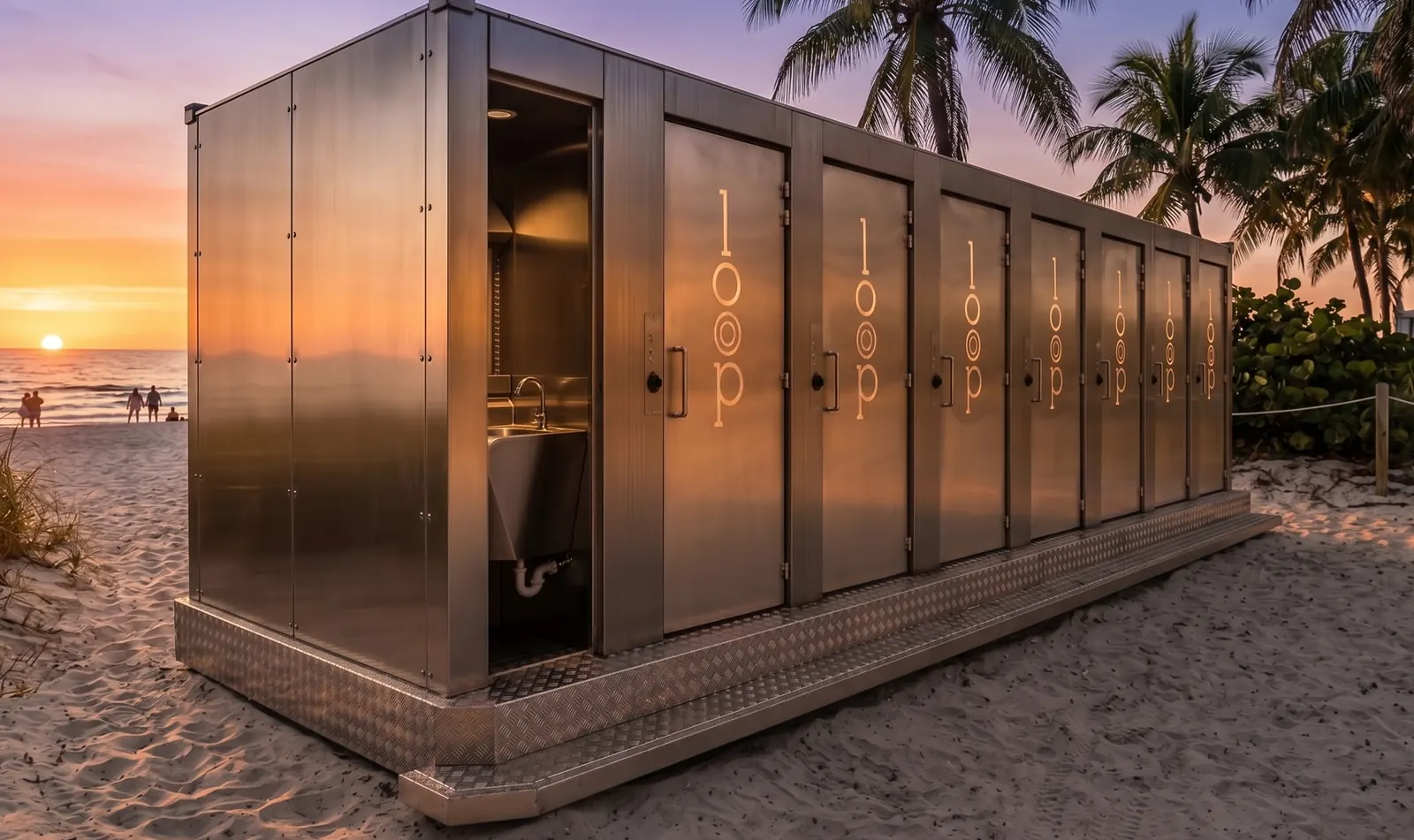
- Standalone fixed units – modular installations for urban spaces, parks, transit hubs and institutions, with grid, solar or hybrid utility integration options.
- Mobile units – platform-mounted or EV-mounted formats for relocatable, temporary or specialised deployment needs.
Final model selection and feature availability should be confirmed with the LOOP team for the proposed site.
A Practical Approach to Public Toilet Operations
A successful self-cleaning public toilet project involves more than installing automated hardware. Before deployment, project teams should assess:
- Expected daily footfall and peak usage periods.
- Water supply, drainage, power availability and backup requirements.
- Accessibility, user safety, privacy and inclusive design.
- Cleaning-cycle settings and the surfaces covered by automation.
- Consumables, waste handling and periodic deep-cleaning arrangements.
- Remote monitoring responsibilities, alert escalation and service-level expectations.
- Local approvals, applicable standards and long-term operating costs.
LOOP works across the design, build, operation and maintenance aspects of smart public sanitation infrastructure. Discussing these requirements early helps align the selected unit with the location and its operating conditions.
Why Choose LOOP for Self-Cleaning Public Toilet Infrastructure?
LOOP positions sanitation as a connected public service—not simply a standalone toilet cabin. Its approach brings together automated cleaning hardware, touchless user features, IoT-based monitoring and flexible deployment formats.
- Automation-led hygiene: selected cleaning functions are built into the toilet system.
- Connected operations: monitoring and alerts help operators manage equipment status.
- Deployment flexibility: fixed and mobile formats support different site requirements.
- Model choice: multiple configurations are available for different user needs and locations.
- End-to-end infrastructure approach: LOOP describes capabilities across building, operating, funding and maintaining smart facilities.
For municipalities, infrastructure developers and facility operators, this integrated approach can help create public sanitation facilities that are easier to monitor and manage. The right solution should be selected after a site assessment and confirmation of technical requirements.
Plan a Self-Cleaning Public Toilet Project with LOOP
Whether you are upgrading an existing public facility or planning sanitation infrastructure for a new location, LOOP can help you explore a suitable configuration. Share your site type, expected footfall, available utilities and deployment requirements with the team.
Contact LOOP to discuss self-cleaning public toilets for your location.
Frequently Asked Questions
- How do self-cleaning public toilets work?
- Self-cleaning public toilets use automated mechanisms and sensors to carry out selected tasks such as flushing, cleaning toilet surfaces, disinfecting and, where configured, washing or drying floors. LOOP’s applicable systems run an automated cleaning sequence after use. The exact functions depend on the model and configuration.
- Do self-cleaning public toilets eliminate the need for cleaning staff?
- No. Automation can reduce repetitive manual tasks and help keep selected surfaces cleaner between uses, but staff are still needed for inspections, replenishing supplies, waste management, deep cleaning, repairs and overall facility supervision.
- How long does LOOP’s self-cleaning cycle take?
- LOOP states that its cleaning cycle can complete in under 60 seconds. Cycle time and the functions included can vary by model, settings and site configuration. Confirm the applicable specification with LOOP before planning user throughput.
- Where can LOOP self-cleaning public toilets be installed?
- LOOP describes solutions for locations such as metro and railway stations, bus terminals, highways, parks, markets, malls, business parks, institutions and other public spaces. Fixed and mobile formats can be considered based on site conditions and expected usage.
- Can LOOP self-cleaning public toilets be monitored remotely?
- Yes. LOOP’s connected monitoring platform is designed to provide operational information such as unit status, usage and cleaning-cycle information, along with alerts and maintenance flags. This helps operators monitor facilities and plan maintenance across locations.