
Access to a clean and safe public toilet should never depend on a person’s gender, age, mobility or the time of day. For women and girls, public sanitation facilities must do more than provide a toilet cubicle. They should support privacy, menstrual hygiene, personal safety, accessibility and reliable day-to-day cleanliness.
UseLoop Tech develops smart public sanitation infrastructure that brings together thoughtfully designed toilet facilities and technology-enabled operations. Women-friendly public toilet solutions can help municipalities, transport authorities, commercial property owners, institutions and infrastructure operators create public spaces where women can attend to their sanitation needs with greater comfort and dignity.
A successful facility combines the right physical design with consistent maintenance. Smart monitoring can support operational visibility, but it works best alongside trained attendants, clear service standards and feedback from the people who use the facility.
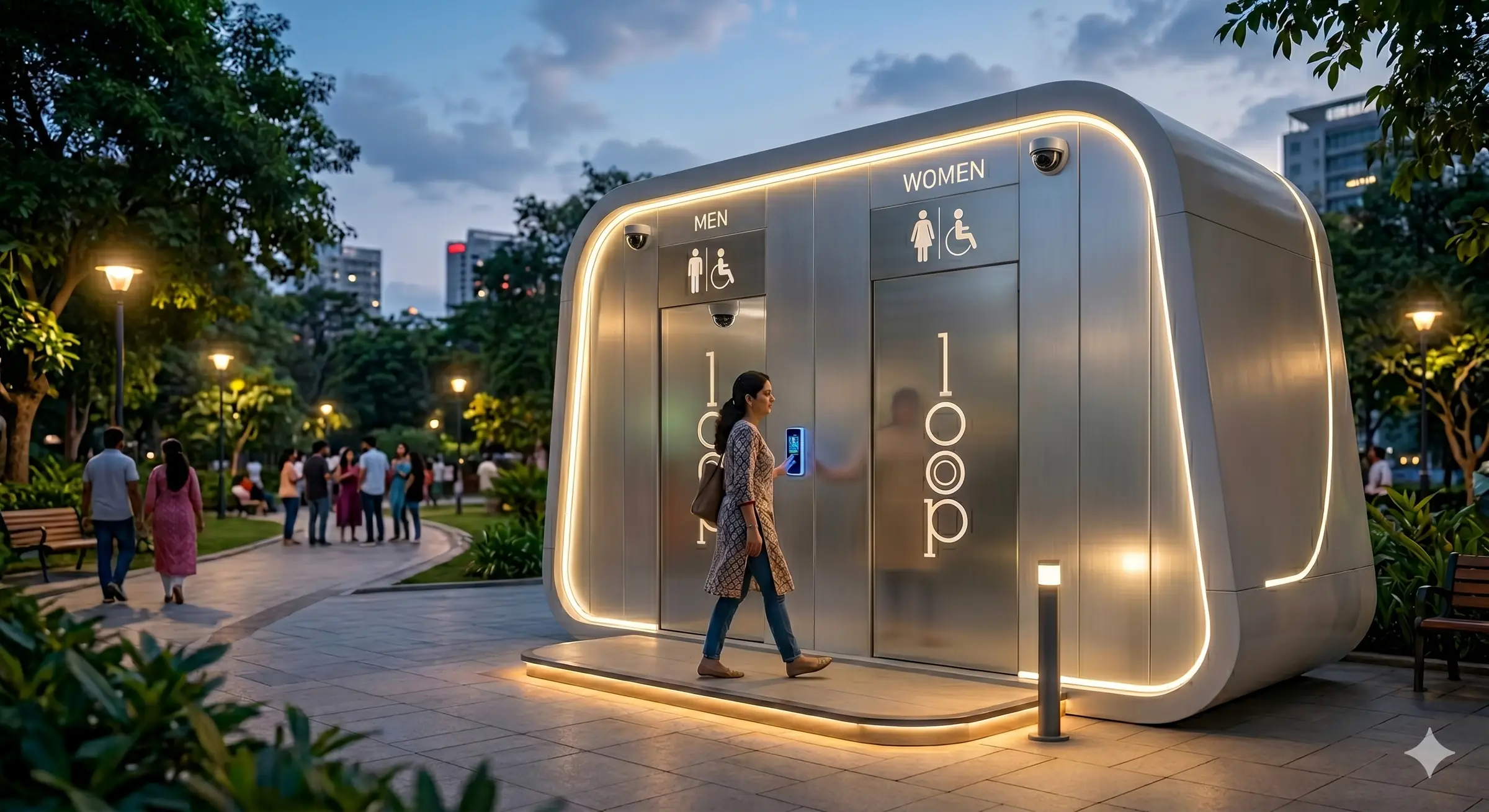
What Makes a Public Toilet Women-Friendly?
A women-friendly toilet is planned around the real needs of its users. That includes secure and private cubicles, clean and usable wash areas, reliable water, menstrual hygiene provisions, safe access routes and maintenance processes that respond quickly when something needs attention.
The details should be shaped by the location and the people it serves. A toilet at a bus terminal may need extended operating hours and high-throughput cleaning, while a facility in a market, park, workplace or tourist destination may require a different mix of amenities. Consulting women and girls during planning helps operators identify practical gaps before the facility opens.

Key Features of Women-Friendly Public Toilet Solutions
Privacy and secure access
Provide well-designed cubicles with sturdy doors, functioning locks and latches, suitable partitions and discreet layouts. Entrances, waiting areas and sightlines should be planned to protect privacy without making the facility difficult to find or reach.
Cleanliness and dependable water
Ensure dependable water supply, usable washbasins, soap, ventilation, drainage and surfaces that can be cleaned effectively. Cleaning schedules should reflect footfall, with clear responsibility for inspections and replenishment.
Menstrual hygiene management
Consider covered disposal bins inside cubicles, clear disposal instructions and access to menstrual products through vending or other locally appropriate arrangements. Where sanitary-waste treatment equipment is installed, it must be correctly specified, ventilated, operated and maintained in line with applicable requirements.
Lighting and personal safety
Keep entrances, paths, waiting spaces and interiors adequately lit. Select locations that are visible and easy to access, and provide a clear way for users to report concerns. Lighting and layout should be designed to balance safety with privacy.
Accessibility and inclusive use
Include accessible routes and appropriately designed cubicles with sufficient manoeuvring space, support rails, reachable fixtures and usable door hardware. Consider older users, pregnant women, people with disabilities, caregivers and children.
Facilities for caregivers and families
Where the site and user needs justify them, consider baby-care or feeding spaces, changing facilities, child-friendly fixtures and space for a caregiver to assist another person.
Responsive operations and user feedback
Display facility information and a practical feedback or complaint channel. Assign trained staff and define escalation procedures so that cleanliness, safety and equipment issues are acted on consistently.
How Smart Sanitation Technology Can Support Better Operations
Technology can help operators understand what is happening inside a public toilet facility between manual inspections. Depending on the installed model and configuration, IoT-enabled sensors and connected systems may provide information about usage, occupancy, equipment condition, water or energy consumption, consumables and selected abnormal conditions.
A central monitoring dashboard can help authorised teams review alerts, identify recurring operational issues and coordinate maintenance. Usage information may also help operators plan cleaning frequency around actual demand rather than relying only on fixed intervals. The exact capabilities available depend on the deployed system.
Smart monitoring does not replace attendants, routine inspections, cleaning, replenishment or on-site repairs. It is an additional operational layer that can help teams prioritise work and improve service visibility.
Why Choose UseLoop Tech for Women-Friendly Sanitation Infrastructure?
UseLoop Tech brings smart sanitation infrastructure and technology-enabled facility operations together. Its public toilet solutions are intended for deployment in settings such as urban public spaces, transport locations, commercial areas and other high-footfall environments. Depending on project requirements, operators can explore different facility formats and technology configurations.
For women-friendly projects, the important starting point is a site-specific brief: who will use the facility, when it will be used, what menstrual hygiene and accessibility provisions are required, how cleaning will be managed and what operational data the owner needs. UseLoop Tech can be positioned as a technology and infrastructure partner in evaluating an appropriate solution.
The final specification should be confirmed with the UseLoop Tech team for the selected product or deployment model. Not every feature described on this page is included in every unit or available at every site.
Where Women-Friendly Public Toilets Make a Difference
- Transport hubs: Bus terminals, railway stations and mobility interchanges need facilities that can serve changing passenger volumes and extended operating hours.
- Markets and commercial districts: Clean, easy-to-find facilities can improve the experience of shoppers, vendors, workers and visitors.
- Parks and public recreation areas: Accessible toilets support women, families, older people and people spending longer periods outdoors.
- Tourist and pilgrimage destinations: Facilities should account for seasonal surges, diverse users, clear wayfinding and consistent maintenance.
- Workplaces and institutional campuses: Well-managed sanitation supports employees, students, visitors and service staff throughout the day.
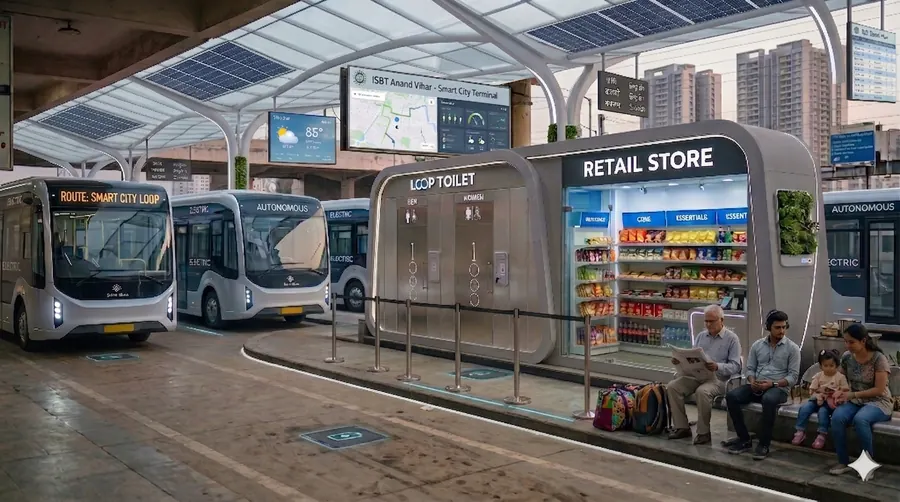
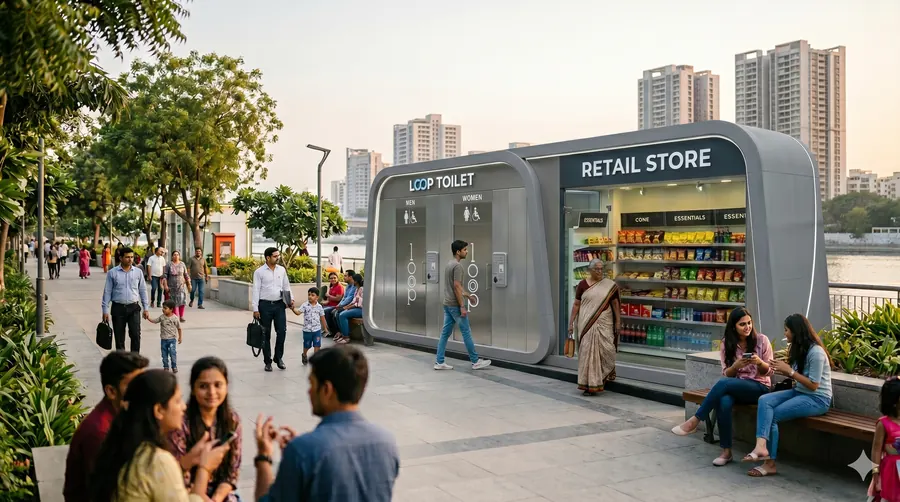


Plan Around Users, Not Just Infrastructure
A women-friendly public toilet is not defined by its colour or name. It is defined by whether women can reach it, enter it, use it privately, manage menstruation, wash their hands and leave with confidence that the facility is clean and functioning. The most effective projects combine inclusive design, reliable utilities, trained personnel, safe waste handling and a clear maintenance plan.
If your organisation is planning a new public toilet facility or upgrading an existing one, start with a site assessment and consultation with intended users. Then define the required amenities, operating model, accessibility provisions and technology scope before finalising the design.
Discuss a Women-Friendly Public Toilet Project with UseLoop Tech
Looking to improve public sanitation at a transport hub, market, commercial property or public destination? Connect with UseLoop Tech to discuss your site requirements, facility format and smart sanitation options. A project-specific assessment can help identify the right combination of user amenities, accessibility features and operational technology.
Frequently Asked Questions
- What are women-friendly public toilet solutions?
- Women-friendly public toilet solutions are sanitation facilities planned to address women’s needs for privacy, safety, cleanliness, menstrual hygiene, accessibility and convenient use. They combine suitable physical design, essential amenities and dependable maintenance.
- What facilities should a women-friendly public toilet include?
- Depending on the site and applicable requirements, features may include secure private cubicles, reliable water, handwashing with soap, covered sanitary-waste bins, menstrual product access, adequate lighting, accessible cubicles and caregiver or baby-care facilities.
- How can public toilets support menstrual hygiene?
- Facilities can support menstrual hygiene through water and washing provisions, private cubicles, covered disposal bins, clear disposal guidance and access to menstrual products where feasible. Any sanitary-waste treatment equipment should be appropriately designed and maintained.
- Can IoT technology improve public toilet cleanliness?
- IoT-enabled monitoring can help operators understand usage patterns, receive selected equipment or facility alerts and plan maintenance more effectively. It supports, but does not replace, physical cleaning, inspections, replenishment or on-site staff.
- Where can women-friendly public toilets be installed?
- They can be planned for transport hubs, markets, parks, tourist destinations, commercial districts, campuses and other public locations. The design and operating model should reflect local user needs, footfall, accessibility and site conditions.